Where is the Dominican Republic? The Ultimate Guide to the Caribbean Paradise
The Dominican Republic, also known as the Dominican Republic, is one of the most popular tourist destinations in the Caribbean. It is located on the island of Hispaniola, which it shares with Haiti. Located in the Caribbean Sea, east of Cuba and west of Puerto Rico, the Dominican Republic attracts tourists from all over the world thanks to its gorgeous beaches, rich culture, and fascinating history.
Geography and climate of the Dominican Republic
The Dominican Republic occupies the eastern part of the island of Hispaniola, the second largest island in the Caribbean. The island’s landscape is diverse – from sandy beaches to mountainous areas with the highest peak of the Caribbean, Pico Duarte. The climate is tropical, with warm temperatures all year round and a hurricane season from June to November.
History of the Dominican Republic
The Dominican Republic has a rich and complex history. Discovered by Christopher Columbus on his first voyage to the New World in 1492, it quickly became a Spanish colony. The city of Santo Domingo, founded in 1496, is the oldest continuously inhabited European city in the Americas.
In the 18th century, after the western part of the island was handed over to France, Haiti was founded. In 1821, the Dominican Republic declared independence from Spain, but was soon occupied by Haiti. After years of fighting, the Dominican Republic finally regained its sovereignty in 1844.
Culture and tourist attractions of the Dominican Republic
The Dominican Republic is known for its rich culture, combining Spanish, African and Taín influences. Music and dance, especially merengue and bachata, are key elements of everyday life.
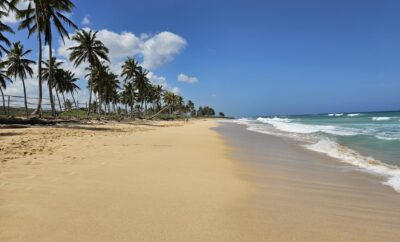
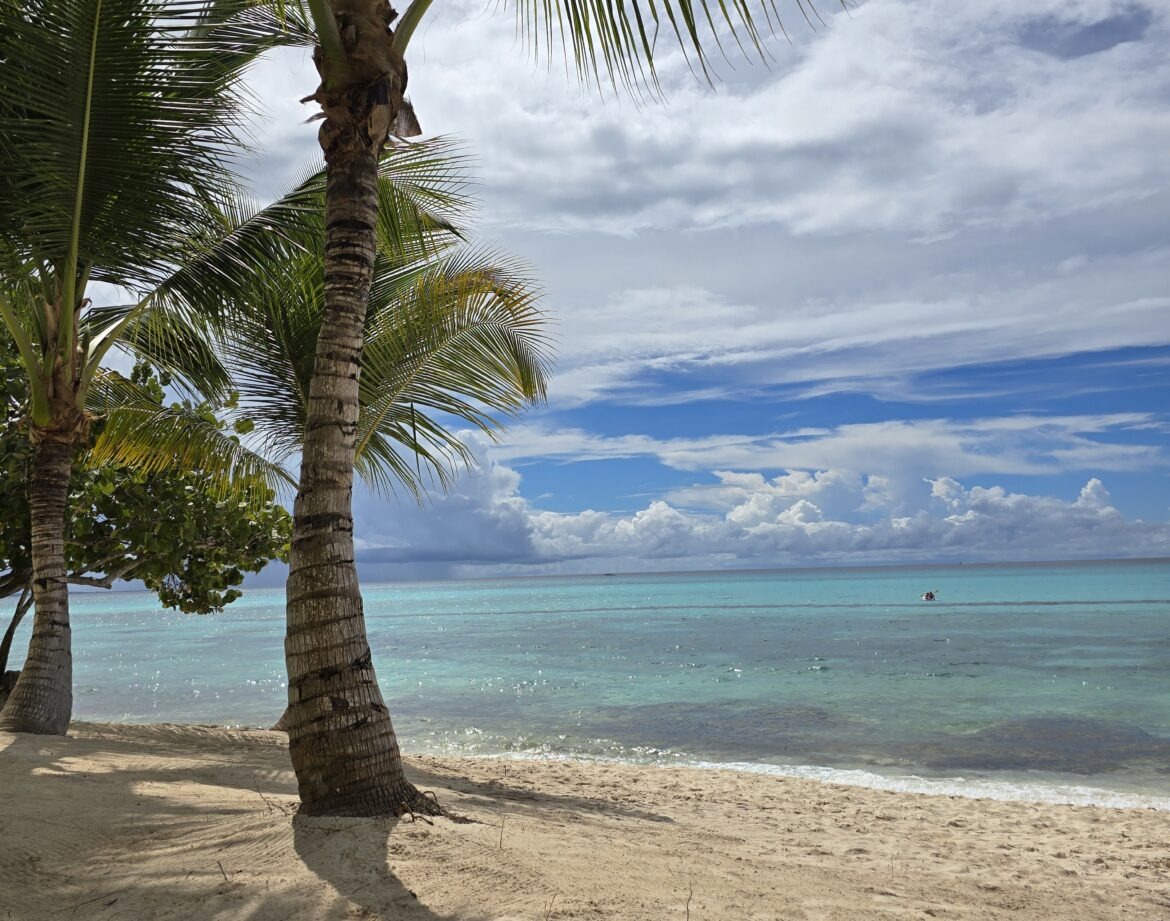
Travelers can enjoy wonderful beaches like Punta Cana, Bavaro or Bayahibe, ideal for relaxation and water sports. For lovers of history and architecture, the Zona Colonial in Santo Domingo, a UNESCO World Heritage Site, is a must-see.
Other attractions include Los Haitises National Park with its impressive rock formations and caves, and Samana, where you can go whale watching. The mountainous regions of Jarabacoa and Constanza offer excellent conditions for trekking and ecotourism.
Practical advice for travelers:
- Currency: The official currency of the Dominican Republic is the Dominican peso (DOP).
- Language: The official language is Spanish, but in tourist places you can often communicate in English.
- Visa: Citizens of many countries, including Polamd, can enter the Dominican Republic without a visa for up to 30 days, it is necessary to complete the entry and exit declaration on the official website of the https://eticket.migracion.gob.do/
- Safety: The Dominican Republic is generally a safe place for tourists, but it’s a good idea to take basic precautions.
The Dominican Republic is a fascinating country that offers something for everyone – from breathtaking beaches to rich history to vibrant culture. Whether you’re looking for relaxation, adventure, or cultural experiences, the Dominican Republic won’t disappoint you. When planning a trip, it is worth getting acquainted with local customs in advance and preparing for an unforgettable experience.
We invite you to discover the Dominican Republic – a place that delights at any time of the year!